
How to Optimize Your Supply Chain
Simple changes to planning, carrier mix and visibility can cut transit times and costs. Here are the first places we look when helping a customer tighten their supply chain.
Capacity, rates and routes continue to shift. We look at what's changing in ocean and air freight this year, and what shippers can do now to stay ahead of disruption and control costs.

Global trade never stands still, and this year is no exception. Carriers are adjusting networks, customers are rethinking where they source and sell, and shippers are asking the same question: how do we keep goods moving reliably without losing control of cost?
Here are the trends we're watching most closely, and what they mean for your supply chain.
Ocean and air carriers continue to rebalance capacity across trade lanes. Some routes have more space than a year ago, while others tighten quickly around peak periods. For shippers, the risk isn't a lack of capacity overall. It's finding space on your lane, at the moment you need it.
What to do: plan bookings earlier for predictable volumes, and keep a flexible option ready for the unexpected.
Freight rates can move sharply in either direction in a short time. Budgeting on last quarter's numbers is increasingly risky.
What to do: combine contract rates for your core volume with spot bookings for overflow. That mix gives you stability without locking you out of better prices when the market softens.
Disruption at key chokepoints, changing trade policy and the move toward sourcing closer to home are all changing how goods travel. Longer or alternative routings can add days to transit times.
What to do: build realistic lead times into your planning, and look at multimodal options, such as sea-air or rail-and-road, when speed matters more than the lowest rate.
Customers expect to know where their order is. Shippers who can see their freight from pickup to delivery respond faster when something goes wrong, and keep their own customers informed.
What to do: work with a logistics partner who gives you proactive updates, not just a tracking number.
Our team watches these changes every day so you don't have to. Whether you ship a few pallets a month or hundreds of containers a year, we can help you find the right mix of capacity, cost and speed for your business.
Talk to our team about your shipping plans for the year ahead.
Keep Reading
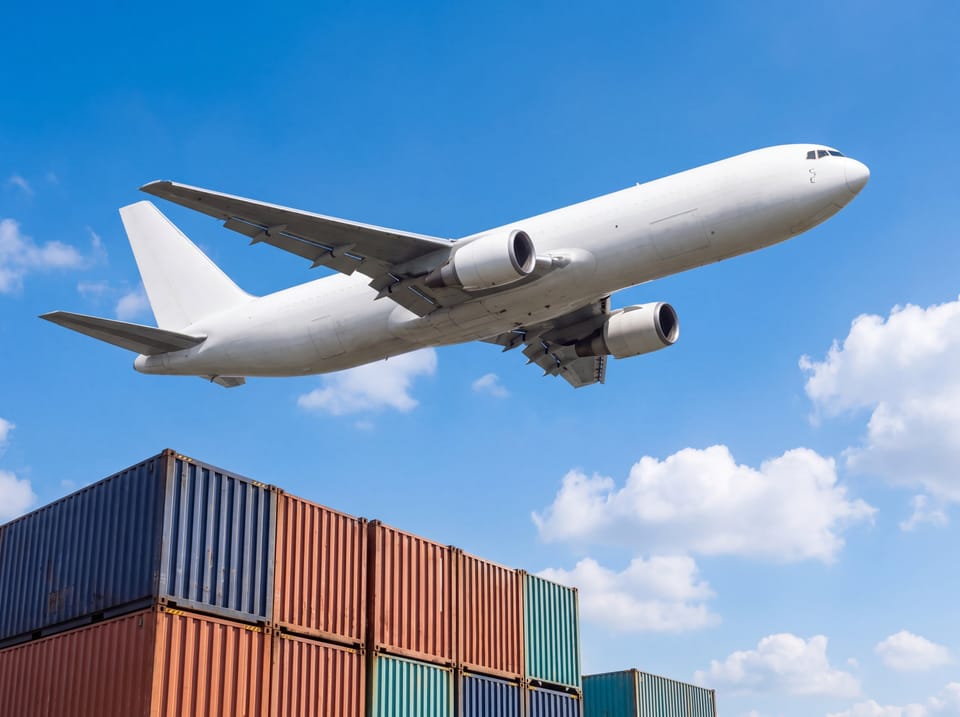
Simple changes to planning, carrier mix and visibility can cut transit times and costs. Here are the first places we look when helping a customer tighten their supply chain.
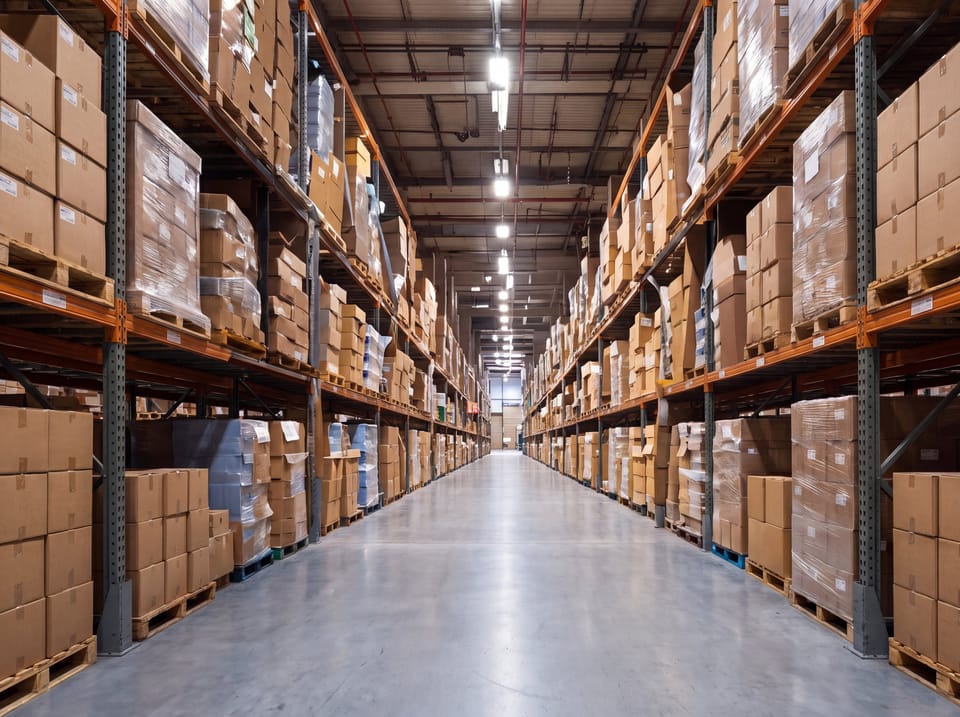
More businesses are handing storage and fulfillment to third-party logistics partners. We explain why, and how to tell whether 3PL is the right move for you.