
Global Shipping Market Trends in 2026
Capacity, rates and routes continue to shift. We look at what's changing in ocean and air freight this year, and what shippers can do now to stay ahead of disruption and control costs.
Simple changes to planning, carrier mix and visibility can cut transit times and costs. Here are the first places we look when helping a customer tighten their supply chain.
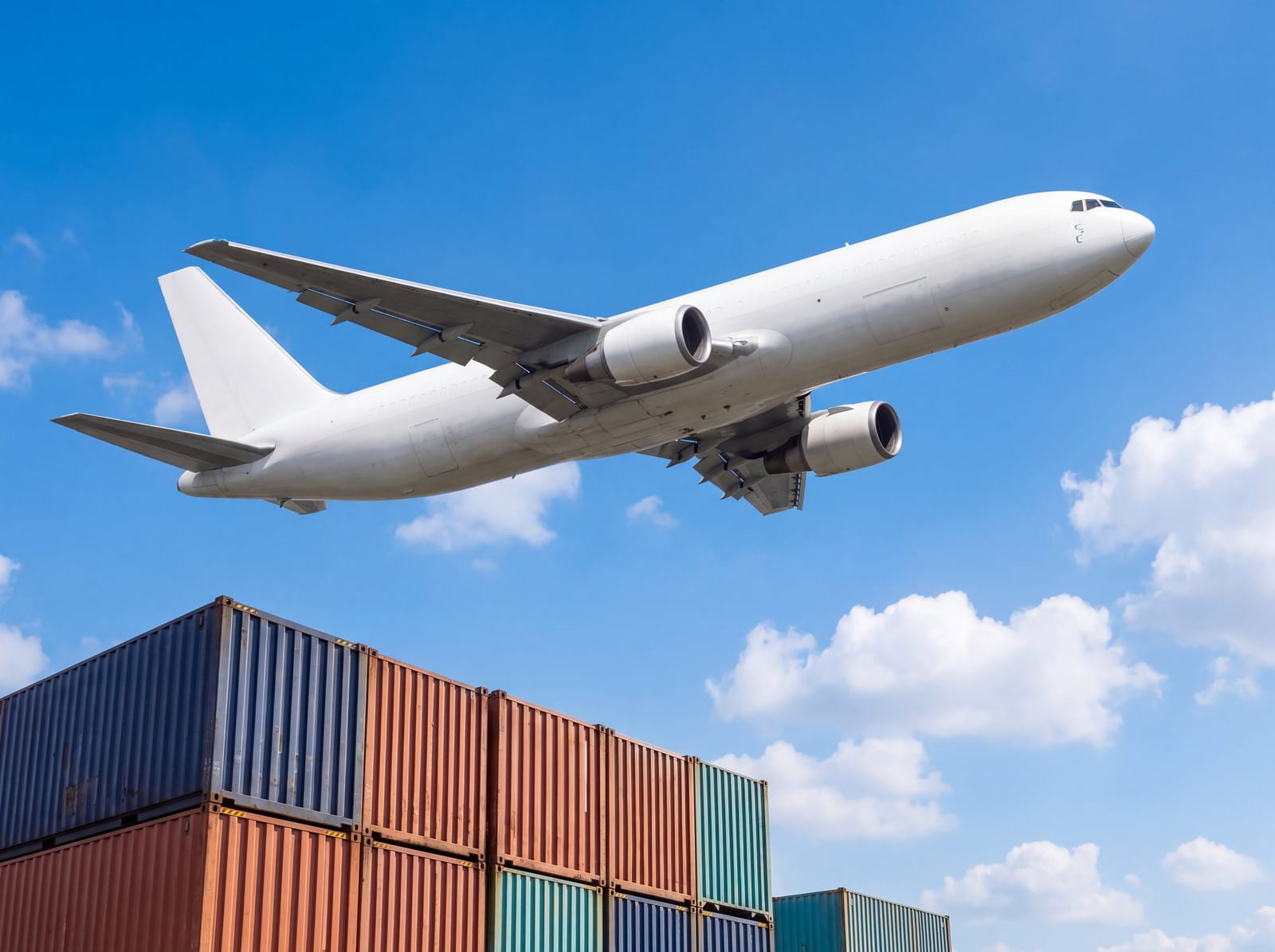
Optimizing a supply chain doesn't have to start with new software or a complete overhaul. In our experience, the biggest gains often come from a handful of practical changes. These are the first places we look when a customer asks us to help them move goods faster and more cost-effectively.
The freight rate is only part of the picture. Duties, fuel surcharges, storage, handling and delays all add up. When you compare options on total landed cost instead of the headline rate, the best choice is often different.
Not every shipment needs to fly, and not every shipment can wait for the ocean. Sort your products by urgency and value:
Mixing modes this way often cuts cost without slowing down the orders that matter most.
Several small shipments heading the same way usually cost more than one larger one. Grouping orders, or sharing container space with other shippers, can lower your cost per unit and reduce handling.
Build a realistic buffer into your purchasing schedule for customs clearance, port congestion and seasonal peaks. A few extra days of planning is far cheaper than an expedited shipment to recover lost time.
Incomplete or inaccurate paperwork is one of the most common causes of customs delays. Standardizing commercial invoices, packing lists and product classifications keeps goods moving at the border.
Regular updates from your logistics partner let you spot problems early and keep your own customers informed. Look for proactive communication, not just a tracking link.
Pick one lane or product line and review it against the points above. Small improvements on your busiest route quickly add up across your whole operation.
Want a second opinion? Contact the SUNO team and we'll review your current setup with you.
Keep Reading

Capacity, rates and routes continue to shift. We look at what's changing in ocean and air freight this year, and what shippers can do now to stay ahead of disruption and control costs.
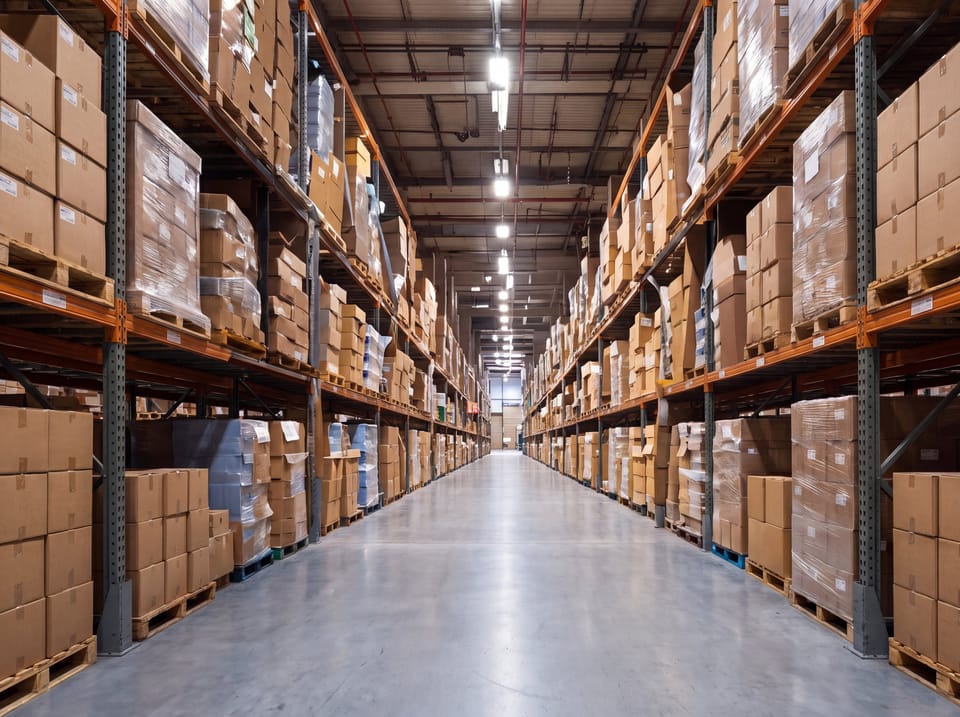
More businesses are handing storage and fulfillment to third-party logistics partners. We explain why, and how to tell whether 3PL is the right move for you.