
Global Shipping Market Trends in 2026
Capacity, rates and routes continue to shift. We look at what's changing in ocean and air freight this year, and what shippers can do now to stay ahead of disruption and control costs.
More businesses are handing storage and fulfillment to third-party logistics partners. We explain why, and how to tell whether 3PL is the right move for you.
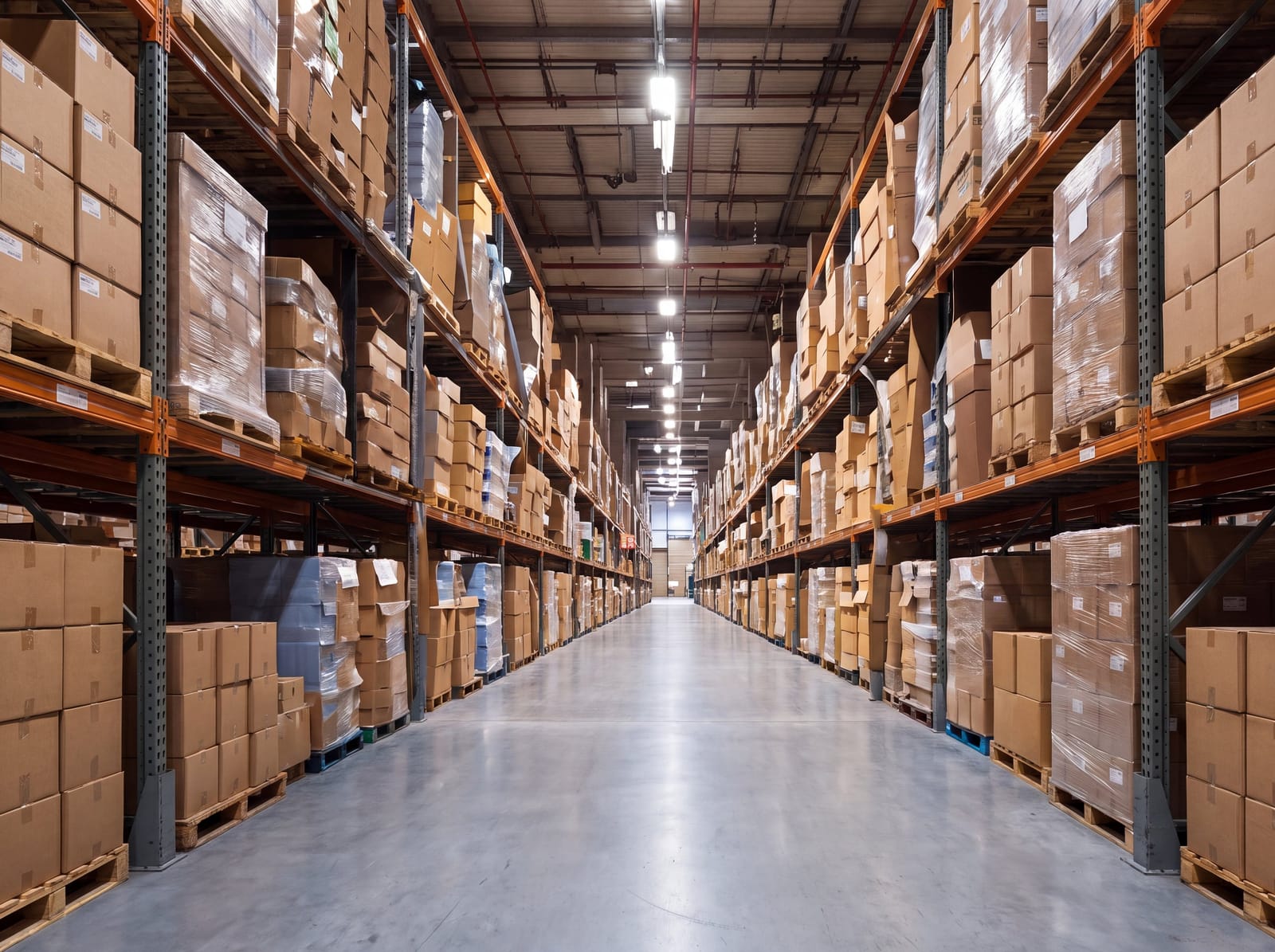
Third-party logistics, or 3PL, means handing some or all of your warehousing and fulfillment to a specialist partner. Instead of running your own warehouse, hiring staff and managing carriers, you rely on a provider that already has the space, systems and relationships in place.
It's not a new idea, but more and more businesses are making the switch. Here's why, and how to decide if it's right for you.
Flexibility. Demand rarely stays flat. A 3PL partner can give you more space and labour during a seasonal peak, then scale back when things slow down, so you're not paying for empty shelves.
Reach. Selling into new markets is easier when your stock can sit closer to your customers. A partner with a wider network helps you deliver faster without opening your own facilities.
Focus. Every hour spent managing a warehouse is an hour not spent on product, sales or customers. Outsourcing logistics lets your team concentrate on what makes your business different.
Expertise. Good 3PL providers bring proven processes for receiving, storage, picking, packing and returns, along with experience handling customs and carriers.
It may be time to consider a 3PL partner if:
Look for a provider that is open about pricing, can grow with you, and communicates clearly. Ask how they handle peak periods, what visibility you'll have into your inventory, and how they manage mistakes when they happen.
At SUNO, our warehousing and 3PL services connect directly with our ocean, air and ground freight, so your goods move from origin to customer under one roof.
Get in touch to talk about your storage and fulfillment needs.
Keep Reading

Capacity, rates and routes continue to shift. We look at what's changing in ocean and air freight this year, and what shippers can do now to stay ahead of disruption and control costs.
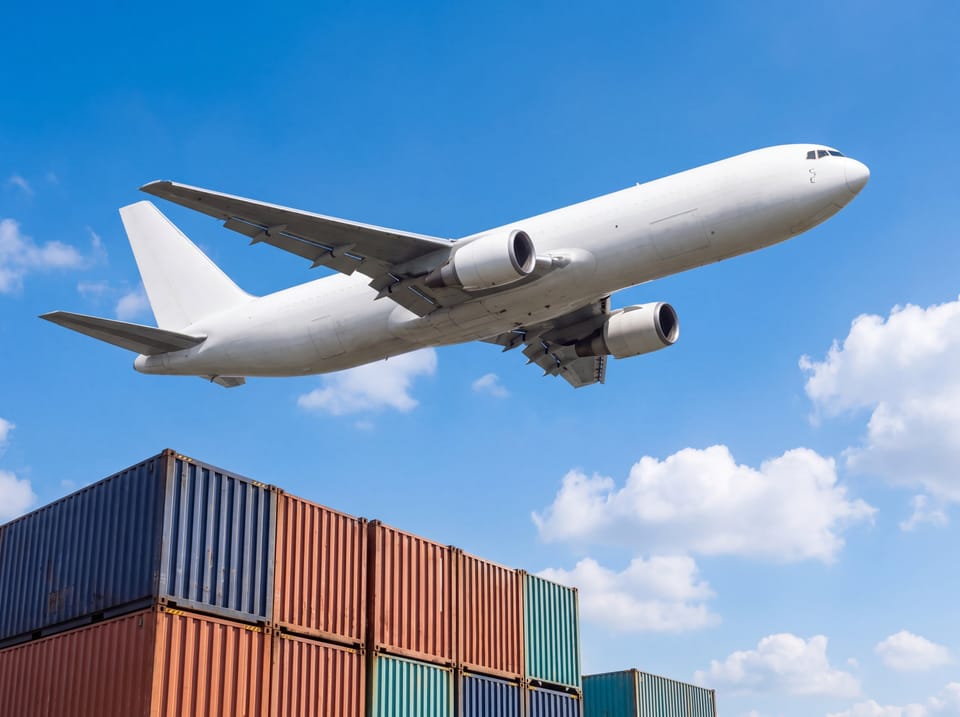
Simple changes to planning, carrier mix and visibility can cut transit times and costs. Here are the first places we look when helping a customer tighten their supply chain.